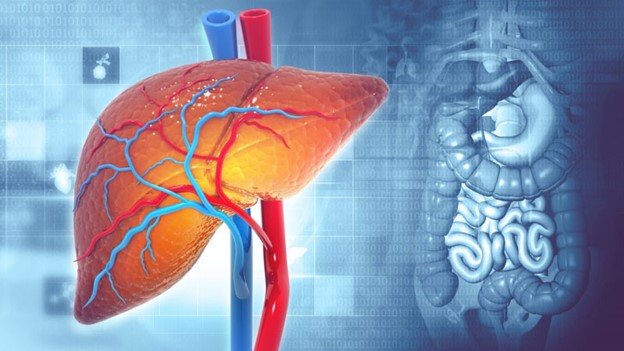
Many wonder, “How do external factors, particularly toxins, influence our body’s internal processes?” The liver, one of our body’s most vital organs, plays a crucial role in detoxifying harmful substances and regulating various metabolic functions. One of its indispensable roles involves cholesterol synthesis, a process that is necessary for cellular functions and overall bodily health.
The National Institute of Health estimates that 25-33% of global disease is attributed to environmental risk factors, which include dietary and endogenous toxins. It becomes essential for us to understand how toxins interfere with cholesterol synthesis in the liver and what it means for our well-being. While this is complex, pharmaceutical interventions, like the Crestor 5 mg Tablet, have been developed to address cholesterol-related issues effectively.
Cholesterol Synthesis
What is cholesterol?
In all of the cells of your body, there is a waxy (fat-like molecule) known as cholesterol. To produce hormones, vitamin D, and chemicals that aid in food digestion, your body requires cholesterol. The human body makes all the cholesterol it needs.
Where does cholesterol synthesis occur in the human body? For sure, it is the liver. It acts as the central hub, producing and releasing cholesterol into the bloodstream. Based on the body’s needs, the liver smartly regulates the amount of cholesterol secreted. For instance, if dietary cholesterol intake is high, the liver adjusts by making less. About 75% of the cholesterol in our body is synthesized internally, while only 25% comes from dietary sources.
What’s the process of cholesterol creation? Let’s understand:
Enzymatic Reaction
Cholesterol synthesis begins with a series of enzymatic reactions. Simplified, it starts with a molecule called acetyl-CoA and, through a series of steps, transforms into the cholesterol we know.
Hydroxymethylglutaryl-CoA (HMG-CoA) Reductase is an enzyme that synthesizes cholesterol and other isoprenoids. The mevalonate pathway, a crucial step in the production of cholesterol and critical non-sterol isoprenoids, is created by HMG-CoA reductase.
What Exactly Toxins Are?
The term “toxins” describes toxic compounds that are created by living cells or creatures. When introduced in modest amounts, they can be harmful to other humans. Toxins come from many different places and are categorized according to where they came from or how they were made. Here are the types of toxins:
Environmental Toxins: These are harmful agents found in our surroundings. Examples include pesticides, pollutants in the air and water, and certain industrial chemicals.
Dietary Toxins: These come from what we consume (food we eat). Examples are certain food additives, excessive alcohol, or substances in improperly stored or cooked foods.
Endogenous Toxins: These toxins originate inside our body. They can be metabolic by-products or other substances that, in excess, become harmful. For instance, a by-product of the synthesis of cholesterol might turn toxic if not properly managed.
There are 3 routes of toxin exposure. They are:
– Ingestion (consuming contaminated food or drink)
– Inhalation (inhaling polluted air)
– Skin Contact (Absorption of toxins through the skin. For example, using skincare products containing harmful toxins.)
Toxins that Impact the Liver Directly
Our liver filters out harmful substances from our body. However, certain toxins can pose significant challenges. That affects the liver’s function in the synthesis of cholesterol. Let’s explore some of these toxins impacts on the Liver:
Heavy Metals
Heavy metals like lead, mercury, and arsenic can destroy liver enzymes responsible for the synthesis of cholesterol, potentially disrupting the balance of cholesterol in the body. The common sources include:
– Old paint (lead)
– Certain fish (mercury)
– Contaminated groundwater (arsenic)
Industrial Chemicals & Solvents
Chemicals like Carbon Tetrachloride and Vinyl Chloride induce oxidative stress. It causes damage to liver cells. This further interrupts cholesterol synthesis and overall lipid metabolism.
For example, Workers in industries like PVC manufacturing (vinyl chloride exposure) or those using cleaning solvents (carbon tetrachloride) need to be particularly cautious.
Alcohol and its Metabolites
Alcohol can affect cholesterol production, possibly raising its levels. Excessive alcohol consumption leads to liver inflammation and damage. High levels of cholesterol for too long due to alcohol increase the risk of conditions like fatty liver disease.
According to the NIH, or National Institutes of Health, more than 90% of heavy drinkers who take 4 to 5 standard drinks daily develop fatty liver disease (i.e., steatosis). It highlights the direct link between alcohol consumption & liver health.
Consequences of Altered Cholesterol Synthesis
Cholesterol is important for our health. If something, like toxins, changes how cholesterol is made, it can have big effects. So, what happens when this process goes wrong?
Atherosclerosis
As a result of atherosclerosis, the arteries thicken or become harder. Plaque deposits form the inside lining of the arteries. As it builds up in the arteries, it stiffens and thickens the arterial walls. The plaque is composed of fatty materials, cholesterol, waste products produced by cells, calcium, and fibrin.
Liver Diseases
From fatty liver (where excess lipids accumulate) to liver cirrhosis (marked by tissue scarring) and even liver cancer, the stakes are high when cholesterol synthesis is disturbed. The prevalence of toxin-induced fatty liver disease has seen a spike of 25% over the past decade, emphasizing the crucial role of balanced cholesterol synthesis as per NIH.
What Are the Prevention and Management Methods?
It’s time to learn how to avoid and handle these problems. It’s better to prevent than fix issues. So, how can we avoid these bad substances and keep our cholesterol in check?
Reducing Toxin Exposure
Vigilance is Key: Whether it’s the environment we live in or the food we consume, being aware and cautious reduces the risk. From choosing organic foods to using air purifiers, every bit counts.
Detoxification: People talk a lot about ‘detox,’ but not all detox methods work the same way. Choose methods that are supported by science, like drinking water and eating foods that help with detox, such as greens and citrus fruits.
Dietary & Lifestyle Interventions
Eat Right: Foods like walnuts and fatty fish that are rich in omega-3 fatty acids support liver function and balance the levels of cholesterol. Similarly, incorporating foods rich in antioxidants, such as berries and green tea, can fend off the damaging effects of toxins.
The Power of Plants: Plants have natural compounds called phytonutrients that are good for the liver. Foods like turmeric and beetroot are especially good for liver health because of these compounds.
Regular Health Screenings: Regular liver function tests and cholesterol checks act as an early warning system, catching any imbalances before they escalate. With early detection, personalized strategies, from dietary changes to medications, can be tailored to ensure optimal health.
Buy Crestor tablets from the best Canadian online pharmacy to control your cholesterol levels efficiently.
Conclusion
A thorough study of this issue highlights the irrefutable connection between toxins and their detrimental effects on the liver’s ability to cholesterol synthesis. Understanding the complex relationship between toxicity exposures and cholesterol production is crucial for liver function but is also important for cardiovascular health.
Understanding and proactively reducing these exposures in an age where environmental and dietary toxins are pervasive becomes more than just a suggestion—it’s essential for overall health.
Read Also
- Top Trends Shaping the Future of Mental Health Care
 Mental health care is moving fast to meet daily human needs. People want direct care that fits modern life. Clinics respond by creating flexible options that make healing easier to reach. Providers look past rigid habits to give people solid care. From smart tools to body wellness, these changes help people find relief when life… Read more: Top Trends Shaping the Future of Mental Health Care
 - Full-Arch Dental Tourism: Why UK Patients With Severe Bone Loss Are Looking AbroadDental implants have become one of the fastest-growing segments of private dentistry. Within that market, one patient group behaves very differently from the rest: people who have been told they do not have enough upper jawbone for conventional implants. For these patients, the choice is rarely between one clinic and another. It is between a… Read more: Full-Arch Dental Tourism: Why UK Patients With Severe Bone Loss Are Looking Abroad
- Levels of Mental Health Care and When to Seek SupportMental health care can range from occasional outpatient appointments to 24-hour hospital treatment. The appropriate level depends on safety, symptom severity, daily functioning, medical needs, available support, treatment history and personal preferences. A licensed clinician should assess these factors rather than relying on a symptom list alone. Need help now? In the United States, call… Read more: Levels of Mental Health Care and When to Seek Support
- How to Choose a Shilajit Brand Based on the ResearchIn a randomized trial published in the Journal of the International Society of Sports Nutrition in 2019, 63 active men took 250 mg of standardized shilajit, 500 mg, or a placebo every day for eight weeks, and the benefit for strength retention after a fatiguing workout appeared only at 500 mg. For anyone choosing a… Read more: How to Choose a Shilajit Brand Based on the Research
- How to Incorporate Relaxation into Your Busy ScheduleFinding balance when you have a packed daily agenda often feels out of reach. Between work duties, family obligations, and personal projects, personal rest usually gets pushed to the bottom of the list. Small, intentional shifts in daily habits can help restore calm without requiring hours of extra free time. Continue reading to discover everything… Read more: How to Incorporate Relaxation into Your Busy Schedule